Running a small business in 2026 feels like juggling fire while riding a unicycle. Every day brings new demands, tighter margins, and relentless competition. The right technology can turn that chaos into a streamlined, profit‑driving machine.
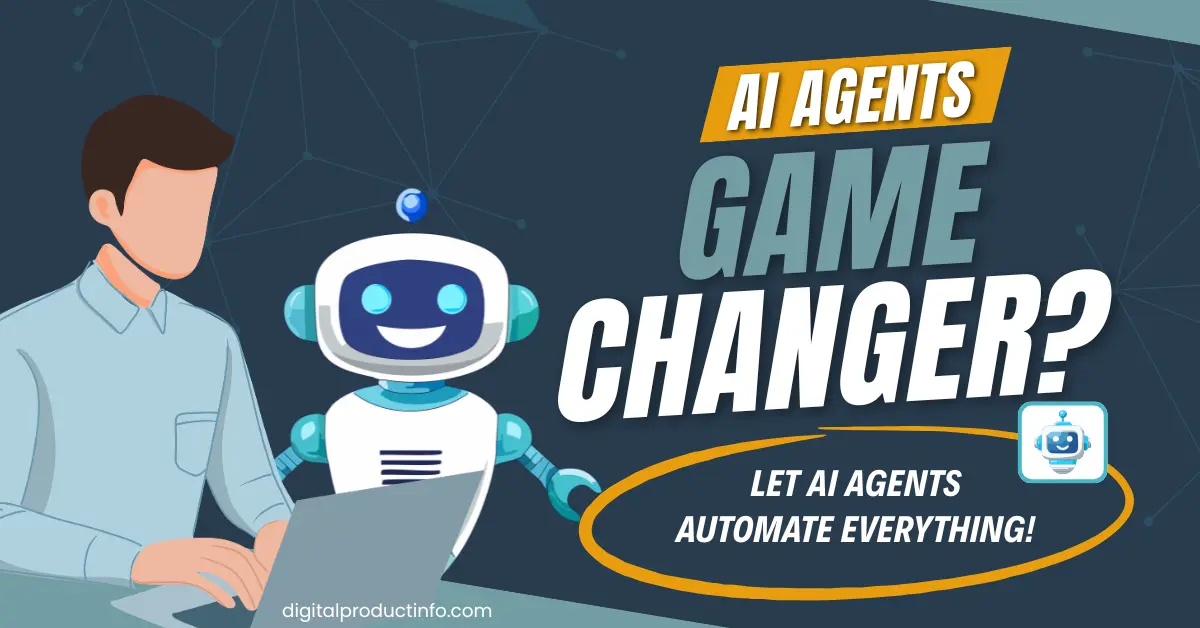
Enter the Best Ai Agents for Small Business 2026. These intelligent assistants automate routine tasks, surface actionable insights, and free owners to focus on strategy rather than spreadsheets. In the following guide we explore the top options, how to choose them, and practical steps for seamless integration.
Key Takeaways
- The Best Ai Agents for Small Business 2026 combine natural language processing with industry‑specific workflows.
- Pricing models range from free tiers to enterprise plans, making AI accessible for any budget.
- Successful implementation hinges on clear goals, staff training, and ongoing performance monitoring.
- Future trends point to multimodal agents that blend voice, vision, and predictive analytics.
Best Ai Agents for Small Business 2026: Top Picks for 2026
When evaluating AI agents, consider functionality, ease of integration, and total cost of ownership. Below are five standout solutions that consistently earn high marks from small‑business owners.
1. AgentX Pro
AgentX Pro excels at automating customer support through chat and email. Its natural‑language engine understands context, reducing ticket resolution time by up to 40%. Moreover, the platform offers a drag‑and‑drop builder for custom workflows, allowing non‑technical staff to create automation without code.
Furthermore, AgentX Pro provides real‑time analytics dashboards that highlight customer sentiment trends. As a result, managers can adjust service strategies on the fly. The starter plan begins at $29 per month, making it an affordable entry point for teams under ten people.
2. SmartFlow Assistant
SmartFlow Assistant focuses on back‑office operations such as invoicing, inventory tracking, and payroll preprocessing. By syncing with popular accounting software, it eliminates manual data entry and reduces errors. In addition, its predictive ordering feature suggests reorder points based on sales velocity.
Consequently, businesses report a 25% decrease in administrative overhead after three months of use. The pricing model is usage‑based, charging $0.005 per processed transaction, which scales neatly with growth.
3. VisionAI Scout
For retail and hospitality venues, VisionAI Scout brings computer‑vision capabilities to the floor. It monitors shelf stock, foot traffic, and even employee compliance with safety protocols. Moreover, the agent sends instant alerts when anomalies are detected, enabling swift corrective action.
In addition, VisionAI Scout integrates with existing POS systems, providing a unified view of sales and inventory. Therefore, owners can make data‑driven merchandising decisions without investing in separate hardware. Annual licensing starts at $1,200, which includes cloud storage and ongoing model updates.
4. ChatGenie CRM
ChatGenie CRM merges conversational AI with lightweight customer‑relationship management. It captures leads from website chats, qualifies them using predefined criteria, and routes hot prospects to sales reps. Furthermore, the agent logs every interaction, creating a rich activity history for follow‑up.
As a result, sales teams experience a 30% increase in qualified lead conversion rates. The platform offers a free tier for up to 500 monthly chats, with paid plans beginning at $49 per month for unlimited usage.
5. PredictiPlan Forecaster
PredictiPlan Forecaster leverages machine learning to predict cash flow, demand spikes, and staffing needs. By analyzing historical data alongside external signals like weather or local events, it delivers forecasts with a 90% confidence interval. Moreover, the agent suggests optimal staffing schedules to minimize overtime costs.
Consequently, small businesses report tighter budget adherence and fewer stock‑outs. The service is offered as a subscription at $79 per month, which includes API access for custom integrations.
How to Choose the Right AI Agent for Your Business
Selecting an AI agent begins with a clear audit of pain points. Identify repetitive tasks that consume excessive time or generate frequent errors. Next, map those tasks to the capabilities offered by each platform.
Furthermore, consider integration complexity. Some agents provide plug‑and‑play connectors for popular SaaS tools, while others may require modest development effort. In addition, evaluate the vendor’s support structure, including response times and available training resources.
Therefore, create a shortlist of two or three candidates and run a pilot program lasting four to six weeks. Measure key performance indicators such as time saved, error reduction, and employee satisfaction before making a final commitment.
Implementation Tips and Best Practices
Successful deployment hinges on change management as much as technology. Start by communicating the vision behind the AI agent to all stakeholders. Explain how the tool will augment—not replace—human work.
Furthermore, appoint an internal champion who oversees training sessions and gathers feedback. In addition, establish baseline metrics before go‑live so you can quantify impact objectively.
Consequently, schedule regular review meetings to refine workflows and address any emerging issues. As a result, the AI agent becomes a trusted partner that evolves alongside your business.
Future Trends Beyond 2026
The AI agent landscape is advancing rapidly, and small businesses should stay alert to emerging capabilities. Multimodal agents that combine text, voice, and visual input are already entering beta testing. Moreover, explainable AI features are becoming standard, allowing users to understand why an agent made a particular recommendation.
In addition, edge‑computing deployments will reduce latency for real‑time applications such as augmented‑reality assistance or autonomous inventory robots. Therefore, investing in platforms with extensible architectures ensures you can adopt these innovations without a costly overhaul.
Frequently Asked Questions
What makes an AI agent suitable for a small business?
An ideal AI agent for a small business offers affordable pricing, simple integration with existing tools, and a clear ROI through time savings or error reduction. It should also provide scalable features so the solution can grow alongside the company.
How much should I budget for an AI agent in 2026?
Budgets vary widely based on functionality and usage. Entry‑level chat‑based agents can start as low as $29 per month, while more advanced vision or forecasting platforms may range from $79 to $150 monthly. Many vendors offer free tiers or pay‑as‑you‑go models to help you test before committing.
Begin by listing the specific tasks you want automated, such as customer support, invoicing, or inventory alerts. Match those needs to the core capabilities of each agent. Then run a short pilot, measure key metrics like time saved and error rates, and compare total cost of ownership before deciding.
What steps ensure a smooth AI agent rollout?
Secure executive buy‑in, communicate benefits to staff, appoint an internal champion, and conduct comprehensive training. Establish baseline performance metrics, launch the pilot, gather feedback, and iterate on workflows. Regular review cycles help maintain alignment with business goals.
Are there any risks associated with using AI agents?
Potential risks include data privacy concerns, over‑reliance on automation, and occasional misinterpretations by the AI. Mitigate these by choosing vendors with strong security certifications, keeping human oversight for critical decisions, and continuously monitoring agent performance for accuracy.